



Installing medium voltage switchgear is a discipline that combines electrical engineering knowledge, safety practices, and precise planning. Medium-voltage switchgear — typically rated between 1 kV and 52 kV — is a critical part of modern power distribution systems and must be installed correctly to ensure system reliability, personnel safety, and operational efficiency.
Below are three core principles that experienced electrical engineers must master when installing MV switchgear, each explained in practical detail and supported by images for clarity.
In this content, you can find more information about Medium Voltage Switchgear Troubleshooting Tips.
1-Ensure Full Safety Compliance and Hazard Mitigation:
Why It Matters
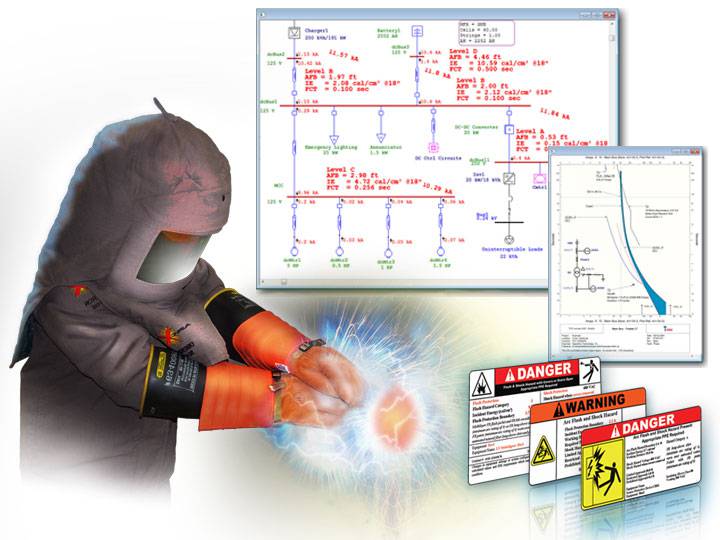
MV switchgear presents multiple hazards — from electrical shock and arc flash to mechanical failures during commissioning and maintenance. Understanding and mitigating these risks is non-negotiable in professional installations.
Key Aspects:
Hazard Awareness: MV systems can experience phase faults, earth faults, and arc incidents, causing extreme heat and blast pressures. Engineers must proactively design installations to reduce these risks.
PPE and Access Restrictions: Only trained and authorized personnel should work in switchgear rooms with appropriate Personal Protective Equipment (PPE), including arc-rated clothing, gloves, and face protection.
Lockout-Tagout & Verification: Before energization or maintenance, establish strict lockout-tagout procedures and verify the absence of voltage using approved testing devices.
Best Practice Tips
Clearly mark switchgear rooms and restrict access.
Install arc-flash venting or pressure release ducts to protect operators.
Train personnel on emergency procedures and hazard recognition.
2-Implement Effective Grounding, Bonding, and Structured Earthing Systems:
Why It Matters
Proper grounding and bonding are foundational for electrical safety, system protection, and fault current management in MV systems. A poorly executed earthing system can lead to electric shock hazards, improper relay operation, and equipment damage.
Key Principles
Grounding the Switchgear Frame: Ensure all metallic parts and the switchgear structure are connected to a reliable earth grid to prevent static buildup and provide a low-impedance path for fault currents.
Bonding All Conductive Components: All conductive parts — bus bars, enclosures, and cable screens — should be bonded together to maintain equipotential and reduce the risk of hazardous touch voltages.
Use of Earthing Switches: A dedicated earthing switch is crucial to safely ground circuits during maintenance. Fast earthing options help protect against arc faults.
Best Practice Tips:
Design the earthing system to comply with relevant standards (IEC, IEEE, local codes).
Verify earthing continuity with low-impedance measurements before commissioning.
Document earthing connections clearly in switchgear schematics.
3-Prepare the Installation Site and Conduct Thorough Testing Before Commissioning:
Why It Matters:
Proper site preparation and comprehensive testing pave the way for long-term, reliable switchgear operation. Neglecting site conditions or commissioning checks is a common source of faults and electrical failures.
Key Steps:
Environmental Site Preparation: The installation room must comply with regulations (e.g., ventilation, clearance, structural support) and provide a safe work space around equipment.
Physical Installation Review: Ensure the switchgear is level, securely anchored, and aligned. Avoid obstacles in maintenance corridors.
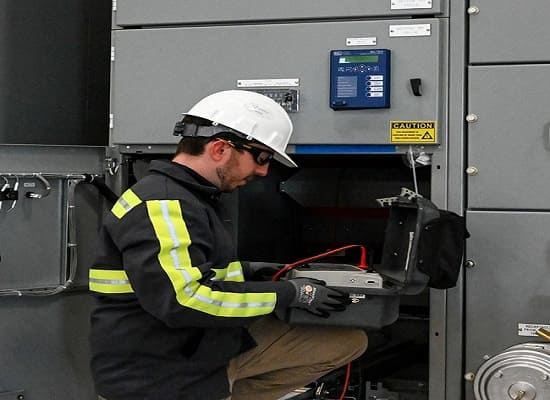
Pre-energization Testing: Perform key tests, including insulation resistance, continuity, contact resistance, and functional checks of protective relays. Energization should only occur after successful results.
Best Practice Tips:
Maintain clearance distances and escape routes per safety standards.
Keep detailed records of all commissioning tests for future maintenance and compliance.
Coordinate testing with protection settings to ensure accurate relay performance.
Conclusion:
Integrating Engineering Rigor with Safety Standards
Successfully installing medium voltage switchgear is both a technical and safety-oriented challenge. Experienced engineers must balance rigorous planning, compliant installation practices, and structured testing to ensure reliable system performance. By mastering safety protocols, fault-ready grounding systems, and site-specific preparation and testing, engineers safeguard systems and personnel alike.
This content is intended to provide general guidance for an experienced electrical engineer when installing and commissioning a medium voltage switchgear.