


The electrical power industry is undergoing one of the most significant transformations in its history. The convergence of renewable energy, smart grids, artificial intelligence (AI), digital substations, cybersecurity, and advanced automation is reshaping how electrical systems are designed, operated, and maintained.
For students and young engineers entering the profession, graduating with a degree is only the beginning. Success today depends on combining strong technical knowledge with digital skills, communication abilities, continuous learning, and global awareness.
Having spent many years working in electrical power engineering—from design and commissioning to operation, maintenance, and project management—I have observed that the engineers who achieve long-term success are not necessarily those with the highest academic grades. Rather, they are those who consistently learn, adapt, collaborate, and embrace new technologies.
Below are five practical recommendations that can significantly accelerate the professional development of every aspiring power engineer.
1. Build an Exceptional Technical Foundation Before Chasing New Technologies
Artificial intelligence and digital tools are transforming engineering, but they cannot replace a deep understanding of electrical engineering fundamentals.
Every successful power engineer should master:
- Power system analysis
- Power generation technologies
- Transmission systems
- Distribution networks
- Power transformers
- Protection and control systems
- Electrical machines
- High-voltage engineering
- Power quality
- Grounding and earthing systems
- Relay coordination
- Short-circuit analysis
- Load flow studies
- Stability analysis
- Arc flash studies
- Electrical safety standards
Become proficient with industry-standard software such as:
- ETAP
- DIgSILENT PowerFactory
- PSCAD
- MATLAB/Simulink
- AutoCAD Electrical
- EPLAN
- SKM Power Tools
- CYME
- PSS®E
- Revit MEP
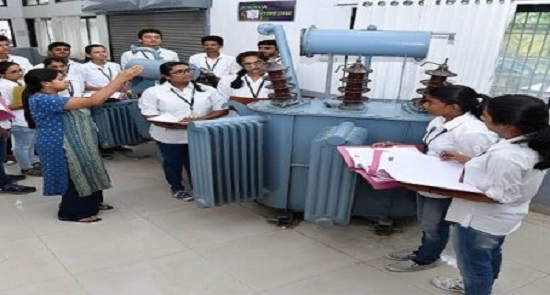
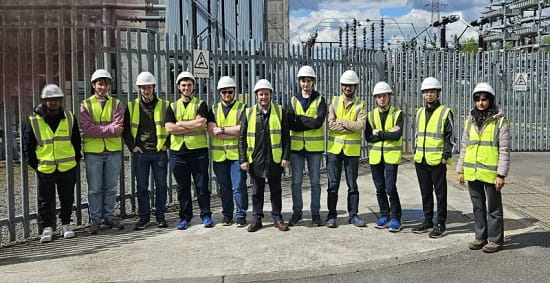
Hands-on experience is equally important. Participate in laboratory work, internships, site visits, commissioning projects, testing activities, and maintenance operations whenever possible.
Remember:
Software assists engineers. Fundamental engineering knowledge creates engineers.
2. Learn Artificial Intelligence Before It Becomes a Job Requirement
Artificial intelligence is no longer a future technology—it is becoming a standard engineering tool.
Modern utilities increasingly use AI for:
- Predictive maintenance
- Transformer health assessment
- Fault diagnosis
- Smart grid optimization
- Load forecasting
- Renewable energy forecasting
- Power demand prediction
- Equipment condition monitoring
- Digital twin technologies
- Asset management
- Energy management systems
- Automated inspection using drones
- Computer vision
- Cybersecurity monitoring
Young engineers should become familiar with:
- Machine Learning
- Deep Learning
- Generative AI
- Large Language Models (LLMs)
- Computer Vision
- Data Analytics
- Python programming
- SQL databases
- Data visualization
- Cloud computing
- Industrial Internet of Things (IIoT)
Useful AI tools include:
- ChatGPT
- Microsoft Copilot
- Google Gemini
- Claude AI
- GitHub Copilot
- MATLAB AI Toolbox
- TensorFlow
- PyTorch
Rather than fearing AI, engineers should learn to use it responsibly to increase productivity, improve decision-making, automate repetitive tasks, and accelerate technical documentation.
The engineers who know how to combine engineering expertise with AI will become highly valuable in the coming decade.

3. Invest in Communication, Leadership, and Professional Networking
Engineering success is rarely achieved alone.
The most respected engineers are often those who can clearly explain technical concepts to clients, managers, contractors, regulators, and multidisciplinary teams.
Develop strong communication skills by practicing:
- Technical writing
- Report preparation
- Presentation skills
- Public speaking
- Project documentation
- Client communication
- Negotiation
- Conflict resolution
- Cross-functional collaboration
Equally important is building a professional network.
Join engineering organizations, attend conferences, webinars, technical workshops, and industry exhibitions. Connect with experienced professionals, researchers, and peers through professional platforms and technical communities.
Networking creates opportunities that technical skills alone may never reveal.
Many engineering careers have advanced because someone remembered an engineer who consistently demonstrated professionalism, curiosity, and reliability.

4. Become a Global Engineer by Learning Multiple International Languages
Electrical engineering is an international profession.
Projects often involve multinational companies, international consultants, equipment manufacturers, and global engineering teams.
English is the universal language of engineering and should be considered mandatory.
However, learning additional languages can significantly expand career opportunities.
Examples include:
- German (power equipment manufacturers)
- French (international consulting and utilities)
- Spanish (Latin American markets)
- Chinese (manufacturing and renewable energy)
- Arabic (Middle East infrastructure projects)
Language proficiency enables engineers to:
- Read technical documentation
- Participate in international projects
- Attend global conferences
- Access research papers
- Communicate with manufacturers
- Negotiate with suppliers
- Work abroad
- Build international collaborations
Technical knowledge combined with multilingual communication skills is a powerful competitive advantage.
5. Commit to Lifelong Learning and Practical Experience
Electrical engineering evolves continuously.
Standards are updated.
Grid codes change.
Protection philosophies improve.
Renewable integration expands.
Cybersecurity requirements become more demanding.
Engineers who stop learning eventually become outdated.
Develop a habit of continuous professional development by:
- Reading technical journals
- Following industry publications
- Studying IEEE standards
- Reviewing IEC standards
- Learning new software
- Completing professional certifications
- Participating in online courses
- Watching technical webinars
- Conducting personal engineering projects
- Writing technical articles
- Mentoring junior engineers
Seek practical experience whenever possible.
Nothing replaces the lessons learned during:
- Factory acceptance testing (FAT)
- Site acceptance testing (SAT)
- Protection relay testing
- Commissioning
- Preventive maintenance
- Root cause analysis
- Equipment troubleshooting
- Emergency restoration
- Site inspections
Real engineering experience transforms theoretical knowledge into sound engineering judgment.
Additional Advice That Every Young Power Engineer Should Follow
Beyond the five key recommendations, several additional habits distinguish exceptional engineers from average ones.
Prioritize Safety Above Everything
Electrical power engineering involves potentially life-threatening hazards.
Always respect:
- Lockout/Tagout (LOTO)
- Arc flash protection
- Personal protective equipment (PPE)
- Safe isolation procedures
- Electrical safety regulations
- Risk assessment
- Permit-to-work systems
No project deadline is worth compromising safety.
Understand International Standards
Become familiar with internationally recognized standards, including:
- IEEE Standards
- IEC Standards
- NFPA 70 (National Electrical Code)
- NFPA 70E
- ISO Standards
- ANSI Standards
- NEMA Standards
Employers highly value engineers who understand international compliance requirements.
Learn Basic Programming
Programming is becoming increasingly valuable in modern power engineering.
Useful languages include:
- Python
- MATLAB
- SQL
- JavaScript (for dashboards)
- VBA
- C/C++ (embedded systems)
Programming enables engineers to automate calculations, analyze large datasets, and develop engineering tools.
Develop Business Awareness
Outstanding engineers understand not only technology but also:
- Project economics
- Budget management
- Return on investment (ROI)
- Cost optimization
- Procurement
- Contract management
- Risk management
- Sustainability
- Carbon reduction strategies
Engineering decisions increasingly require balancing technical excellence with financial and environmental considerations.
Build Your Professional Reputation
Your reputation is your most valuable professional asset.
Protect it by consistently demonstrating:
- Integrity
- Reliability
- Ethical conduct
- Professionalism
- Accountability
- Curiosity
- Humility
- Teamwork
Technical competence opens doors.
Professional character keeps them open.
The Future of Electrical Power Engineering
The coming decade will redefine the electrical power industry through:
- Artificial intelligence
- Smart grids
- Digital substations
- Renewable energy integration
- Battery energy storage systems
- Electric vehicles
- Microgrids
- Hydrogen energy
- Wide-area monitoring systems
- Grid digitalization
- Advanced power electronics
- Predictive analytics
- Autonomous inspection technologies
- Digital twins
- Industrial cybersecurity
Young engineers who combine strong engineering fundamentals with digital literacy, AI proficiency, communication skills, multilingual capabilities, and practical experience will be well positioned to lead this transformation.
The future belongs to engineers who never stop learning.
Conclusion
Electrical power engineering remains one of the world’s most impactful and rewarding professions. While technology will continue to evolve rapidly, the qualities that define outstanding engineers remain constant: technical excellence, curiosity, integrity, adaptability, and a commitment to lifelong learning.
For students and early-career professionals, the path to success extends beyond mastering electrical theory. It requires embracing artificial intelligence, strengthening communication and leadership skills, expanding global perspectives through language learning, gaining practical field experience, and cultivating a network of professional relationships.
Those who invest in both technical and personal development will not only remain relevant in an increasingly digital industry but will also become the innovators, project leaders, and decision-makers shaping the future of power systems worldwide.