


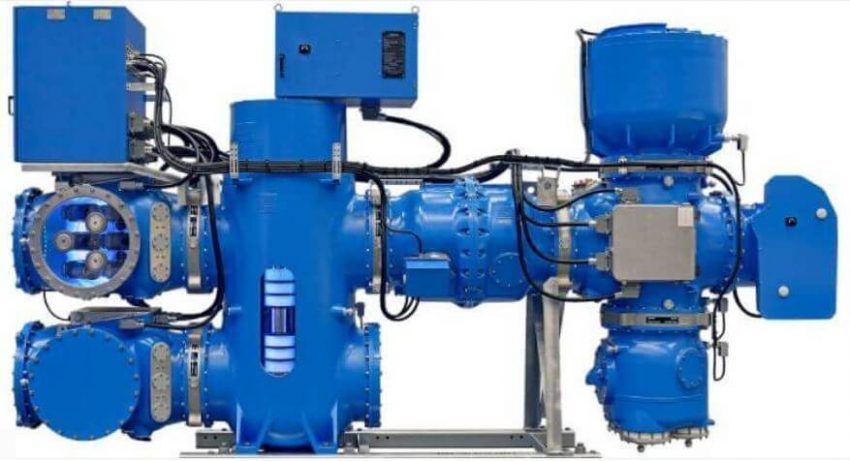
The accelerating transformation of electrical networks continues to reshape investment priorities across the global power industry. One of the latest examples comes from Siemens, which has announced a $341 million investment to expand its switchgear manufacturing capacity and strengthen its position in the rapidly growing transmission and distribution equipment market.
The investment reflects increasing demand from utilities, industrial facilities, renewable energy developers, and data center operators that require reliable medium- and high-voltage equipment to support expanding electrical infrastructure.
Demand for Switchgear Continues to Accelerate:
Electricity consumption is rising worldwide as governments pursue electrification strategies, integrate renewable generation, and modernize aging transmission and distribution networks.
Utilities are simultaneously investing in:
- grid reinforcement;
- renewable energy integration;
- battery energy storage systems;
- electric vehicle charging infrastructure;
- industrial electrification;
- hyperscale data centers;
- digital substations.
Each of these projects depends on reliable switching and protection equipment, making switchgear one of the fastest-growing segments of the electrical infrastructure market.
As a result, manufacturers are expanding production capacity to reduce lead times and improve supply chain resilience.
Why Siemens Is Increasing Manufacturing Capacity
According to Siemens, the investment will support growing global demand for medium- and high-voltage switchgear while improving manufacturing efficiency and production flexibility.
The expansion is expected to include advanced manufacturing technologies, increased automation, and digital production systems that improve quality and shorten delivery schedules.
The investment also aligns with broader market trends toward:
- environmentally friendly switchgear;
- digital asset monitoring;
- intelligent protection systems;
- compact substation designs;
- sustainable manufacturing practices.
For utilities facing increasingly complex project schedules, improved manufacturing capacity could help alleviate equipment shortages that have affected many transmission projects in recent years.
Peter Koerte, CEO of Siemens Smart Infrastructure, said the global data centre market is growing at rates well above 10 %, with next-generation AI data centres creating major new energy requirements.
The investment will support the construction of a new supplier facility in Offenbach, Germany, and the expansion of two existing facilities in Frankfurt am Main. Construction work at the Frankfurt sites is scheduled to begin in July 2026, while the Offenbach facility is expected to start in spring 2027.
Siemens plans to gradually transfer preproduction from its main factory in Frankfurt to Offenbach, located around six kilometres away. The expanded Frankfurt facilities are expected to significantly increase switchgear production capacity by the end of 2030.
Market Drivers Behind the Investment
Several structural trends continue to reshape the global switchgear market.
Renewable Energy Integration
Solar and wind generation require new substations, collector systems, and transmission infrastructure capable of managing fluctuating power flows.
Every new renewable project creates demand for medium- and high-voltage switching equipment.
Expansion of Data Centers
Artificial intelligence, cloud computing, and digital services are driving unprecedented investment in hyperscale data centers.
These facilities require highly reliable electrical infrastructure with redundant switchgear systems capable of maintaining continuous operation.
Aging Electrical Infrastructure
Many utilities are replacing equipment installed several decades ago.
Modern switchgear offers improved reliability, digital diagnostics, lower maintenance requirements, and enhanced operational safety.
Grid Modernization
Across Europe, North America, Asia, and the Middle East, governments continue investing in smarter transmission and distribution networks that require advanced switching technologies.
Digital Manufacturing Becomes a Competitive Advantage
Expanding production capacity is only one part of the strategy.
Manufacturers increasingly rely on Industry 4.0 technologies including:
- robotic assembly;
- automated quality inspection;
- digital twins;
- predictive maintenance;
- AI-assisted production planning;
- real-time manufacturing analytics.
These technologies improve production consistency while enabling faster response to changing customer demand.
For utilities, this translates into improved product quality and greater confidence in equipment reliability over its operating lifetime.
Environmental Considerations
The switchgear industry is also undergoing significant environmental transformation.
Utilities are placing increasing emphasis on equipment with lower lifecycle emissions, particularly as regulations encourage alternatives to sulfur hexafluoride (SF₆), one of the most potent greenhouse gases used in electrical equipment.
Manufacturers are therefore investing not only in production capacity but also in new product platforms that support:
- SF₆-free technologies;
- eco-efficient insulation systems;
- circular manufacturing;
- reduced carbon footprints.
These developments are expected to shape procurement decisions throughout the coming decade.
What This Means for Utilities and EPC Contractors
For utilities planning future transmission or distribution projects, increased manufacturing capacity could provide several advantages:
- shorter equipment lead times;
- improved supply chain stability;
- broader availability of advanced switchgear technologies;
- enhanced support for large infrastructure programs.
Engineering procurement and construction (EPC) contractors may also benefit from greater production flexibility as manufacturers respond more quickly to project requirements.
Industry Outlook
Global demand for switchgear shows little sign of slowing.
Electrification, renewable energy, digital infrastructure, and industrial modernization continue to drive investment across virtually every region.
Siemens‘ latest manufacturing expansion reflects confidence that these long-term trends will continue for many years.
As utilities pursue increasingly ambitious grid modernization programs, manufacturers capable of delivering high-quality, digitally enabled, and environmentally sustainable switchgear at scale are likely to strengthen their competitive position in the global market.
Frequently Asked Questions
Why is Siemens investing in switchgear manufacturing?
The investment aims to increase production capacity to meet rising demand from utilities, renewable energy projects, industrial customers, and data centers.
Which switchgear markets are growing fastest?
Medium-voltage and high-voltage switchgear are experiencing strong growth due to grid modernization, renewable integration, electrification, and digital infrastructure expansion.
Will this reduce equipment lead times?
Additional manufacturing capacity and greater automation are expected to improve production efficiency and help shorten delivery schedules for many switchgear products.
How does this support sustainable grids?
New manufacturing investments enable greater production of advanced switchgear technologies, including digital equipment and environmentally friendly alternatives to conventional insulation systems.